
Top 5 Ways Parents Can Support Focus and Concentration the Montessori Way
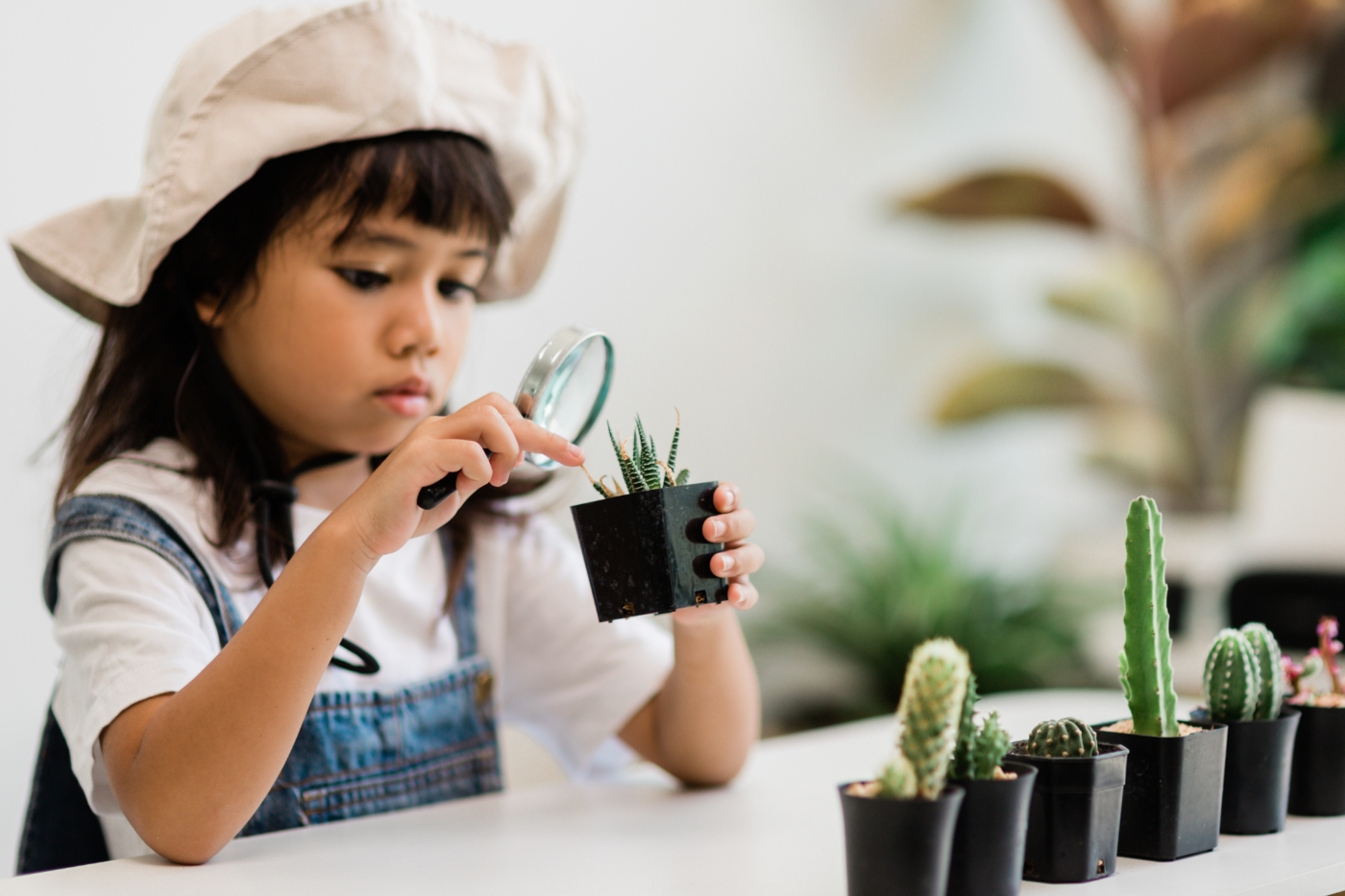
If you’ve ever watched your young child become completely absorbed in an activity—stacking blocks, diggin dirt, polishing a surface—you’ve seen something Montessori educators deeply value: natural concentration.
Maria Montessori did not believe focus was something adults could demand or train through repetition or correction. Instead, she observed that concentration emerges when children are given the right conditions. At home, parents play a powerful role in creating those conditions.
Here are five Montessori-aligned ways to support your child’s focus and concentration—gently, respectfully, and without pressure.
1. Protect Uninterrupted Work Time
One of the most important Montessori principles is allowing children to work without unnecessary interruption. When a child chooses an activity and becomes engaged, their concentration is still forming. Interruptions—even kind ones—can pull them out of that mental state.
At home, this means:
Avoiding questions while your child is working
Limiting praise during the activity
Letting the child decide when they are finished
Montessori observed that concentration deepens after a child settles into work. The longer they are allowed to stay with a task, the stronger their ability to focus becomes over time.
2. Let the Child Choose the Work
Focus is strongest when motivation comes from within. In the Montessori method, children are not assigned tasks based on adult priorities; they are guided toward purposeful activities and allowed to choose what draws their interest.
At home, this looks like:
Offering a small selection of developmentally appropriate activities
Allowing your child to choose what to work on
Trusting that repetition has value, even if it looks “boring” to adults
When children choose their work, they are more likely to engage deeply and persist through challenges—both essential components of concentration.
3. Prepare an Orderly, Calm Environment
Maria Montessori emphasized that the environment itself supports concentration. Young children focus more easily when their surroundings are predictable, orderly, and not overstimulating.
To support focus at home:
Keep shelves uncluttered and intentional
Limit the number of activities available at one time
Give each material a clear place
An organized environment reduces mental overload and helps children direct their attention toward meaningful work instead of constant decision-making.
4. Demonstrate Slowly, Then Step Back
In Montessori, adults teach primarily through demonstration—not explanation. When showing a child how to use a material, movements are slow, deliberate, and minimal. Once the demonstration is complete, the adult steps back.
This approach supports focus because:
The child can concentrate on observing without distraction
The child is free to explore without constant correction
The adult communicates trust in the child’s ability
Too much verbal instruction can fragment attention. Clear, quiet modeling followed by space to practice supports deeper engagement.
5. Observe More Than You Intervene
Observation is a cornerstone of Montessori parenting and teaching. By watching carefully, parents learn when a child truly needs help—and when stepping in would disrupt concentration.
Try:
Sitting quietly nearby while your child works
Noticing patterns in what holds their attention
Resisting the urge to “improve” their process
When children feel trusted to work independently, they develop confidence alongside concentration. Over time, this trust strengthens their ability to focus for longer periods.
Focus Grows in Freedom and Respect
Montessori did not view concentration as a skill to be forced, but as a natural outcome of respectful environments and relationships. When children are given time, choice, and protection from interruption, focus develops quietly and steadily.
At home, small shifts—stepping back, slowing down, trusting the process—can make a profound difference.
Your child does not need constant guidance to learn how to focus. They need space to practice it.